

The Importance of Electrical Installation Certificates
No matter if you're a homeowner landlord, or business owner, it's crucial that your electrical system is in accordance with UK regulations. This can be verified by getting an Electrical Installation Certificate.
These certificates are legally required and must be signed by electricians following completion of work. These certificates prove the security of your electrical system should you have to make an action for damages.
Legal Compliance
Important documents, such as electrical installation certificates must be obtained immediately after work starts on the electrical system. They provide crucial information regarding the security and legality of all appliances. They could also be requested as part of the process of selling a home and the failure to provide them could delay the process.
An electrical installation certificate is required to protect the owner of the property from any potential dangers that could result from wiring or other elements in an existing installation. This includes the potential for electric shock or even fire. It also gives buyers assurance that the wiring in their home is secure and properly installed.
In many countries, any new electrical installation has to be certified by a series of tests in order to be compliant with local regulations. However, despite this there are some instances where these tests might be unreliable or inadequate and lead to dangerous faults that remain undetected.
This could have serious implications for homeowners as well as electricians who are involved in the electrical system. In the UK, for example, electricians must register with the "Competent Person Self-Certification Scheme" to be capable of issuing their own certificates, but only following approval from an approved inspector.
If the electrician who has issued an EICR for the home's electrical circuits detects the codes C1 and C2 in their inspection and they need to take action to correct the issue quickly. This could include making modifications to the installation to ensure safety or conducting a new inspection.
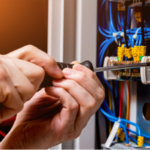
Also, if an inspector or an approved authority for inspection of electrical installations detects any fault or flaw in the electrical installation, they must also take steps to correct this. This could involve a repair replacement, replacement, or another investigation within 28-days.
The homeowner has a distinct obligation to ensure that all electrical equipment used in the home is in compliance with the Occupational Health and Safety Act of South Africa. Faulty or non-compliant electrical equipment could be hazardous to anyone that comes into contact with it, and could cause injuries to animals or property.
Safety
Safety is a major concern to many landlords and property owners. Regular electrical inspections are essential to ensure everything is working correctly. Electrical faults can be extremely dangerous and can lead to fires and other accidents. This is why it's crucial that every new and existing installation is regularly checked by a licensed electrician.
According to UK law the law requires landlords and tenants to carry out electrical inspections and certificates on their property at least once every 5 years to ensure that everything is operating exactly as it should. They are often referred to as electrical condition reports or 'domestic electrical installation condition report' and should be completed by a qualified person, such as an electrician or other certified, competent professional.
Request electrical installation certificates if are in search of an electrician with a track record of reliability. These are a legal requirement and must be presented in three copies: one for you and one for your electricity provider and a third for the appropriate authorities in your state or territory.
An electrical installation certificate is a document that confirms that an electrician has completed any necessary tests to ensure that your electrical system is safe, and is compliant. It can only be issued by a licensed electrician . It must be issued within 30 days of the work being completed.
The certificate should be signed by the electrician and must be with an electrical inspection report. The report will detail the findings of the inspector and detail the condition of the electrical system.
Generally speaking an electrical inspection would include a visual examination of the building as well as the testing of a variety of items to check the overall safety of the installation. The tests will cover a variety of subjects, including circuit breakers and fuses earthing and wiring sockets, safety switches and electric storage boilers.
In Germany For instance, in Germany the electrical standards for installations demand that all new installations be certified by a series of tests that follow a unified international standard. These tests are then provided as an Echeck certificate, which proves conformity to the standards.
Energy Efficiency
Electrical installation certificates are types of inspection report that proves that an electrical installation is in accordance to safety standards. These certificates can be obtained by contacting the local authority or private testing and commissioning companies for electrical installations. These certifications are used to ensure that your home, office, or commercial building is safe and installed correctly.
A list of inspections and test results must be included with the certificate. This will allow you to recognize any issues with the electrical system , and allows you to get them fixed as quickly as possible.
An energy efficiency certificate is a crucial requirement for many homes in the UK. It helps you find out the energy efficiency of your property is, which will help you make informed decisions regarding the purchase or rental.
This certificate provides objective information on the energy performance of a building or home, such as how much hot water it generates and how efficient its heating and lighting systems are. electrical certificates includes factors like the material used on its exterior walls, woodwork and the type of windows it comes with.
Efficiency in energy use can be used to minimize environmental impacts and boost economic benefits. Increasing energy efficiency can reduce greenhouse gas emissions and other pollutants, as well as less water and energy usage.
Energy efficiency programs can also be cost-effective if they are implemented early and focus on most affordable measures. These strategies are applicable to all contexts and can be utilized by electric, gas or cooperative utilities.
These programs can assist you in achieving an array of energy savings goals, including peak demand for electricity or sales of electricity, and natural gas consumption. These programs generally require utilities companies to cut their customers' energy consumption by a specified amount and in accordance with a timetable or schedule.
Despite the potential to save energy, it's not always easy for consumers to choose more energy-efficient alternatives because they do not have accurate information about how much it will cost them. This can result in a consumer underinvesting in efficiency, which is a type of market failure.
Reduced costs
If your property must be compliant with safety regulations electrical installation certificates are required. They can save you money and assure you that your electrical installation is working properly.
This certificate is required for the installation of new electrical installations, however it can also be used for modifications to existing installations that don't require the addition of a brand new circuit. This is usually carried out in older homes with older wiring systems, but it can also be done on rental properties.
Cost of an electrical installation certificate will be contingent on a variety of factors, including the size of your home and the type of work required. An electrical installation certificate will cost you between PS125 and PS300. However this doesn't include any additional costs like labor charges or repairs.
A qualified professional will check every one of your electrical installations for signs of faults or wear and tear. They'll then write the report to identify any issues, in addition to giving recommendations for corrective action to ensure the property is safe and meets the legal requirements.
They will also evaluate your property's energy usage and determine areas that need to be improved. This will lead to a more efficient and sustainable way of powering your home. This will reduce the total cost of electricity and also reduce your carbon footprint.
An electrician will check all the wiring in your property to ensure it's up-to-date and meets legal standards as well as perform testing on the electrical outlets or switches, sockets and consumer units (fuse boxes). After they've completed the tasks they'll issue you an electrical installation certificate that is final.
Rewiring is a more involved electrical task that can take longer to complete and cost more than other electrical tasks, but it's worth the investment when you consider the possibility that the wiring you have in question could spark the possibility of a fire in your house. The electrician will rewire all of the wiring in your home, replacing any outlets or sockets, switches, and consumer units.